Laragon vs XAMPP, MySQL vs PostgreSQL — Why and When to Use Each
A practical, experience-based comparison of Laragon vs XAMPP and MySQL vs PostgreSQL. Learn which tools to use, when to use them, and why real engineers choose based on requirements — not hype.
Laragon vs XAMPP, MySQL vs PostgreSQL
Why and When to Use Each
As developers gain experience, the question stops being “what is popular?” and becomes “what fits this system?”.
Two decisions come up constantly, especially for backend and full-stack developers working on Windows:
Laragon or XAMPP?
MySQL or PostgreSQL?
This article explains when to use each, based on real development experience — not marketing or trends.
Laragon vs XAMPP
XAMPP — stable, heavy, predictable
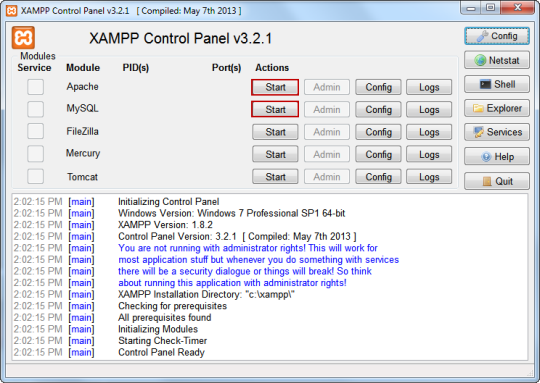
XAMPP is a classic all-in-one local server stack. It bundles Apache, PHP, and MySQL and focuses on simplicity.
Pros
Very stable
Huge amount of documentation
Works well with legacy projects
Cons
Heavy and slow
Global configuration pollution
Harder PHP version switching
Not optimized for modern workflows
Use XAMPP if
You maintain legacy PHP systems
You want maximum compatibility
You prefer minimal configuration decisions
Laragon — fast, clean, developer-oriented
Laragon is built specifically for developers who work on multiple projects and modern PHP stacks.
Pros
Very fast startup
Clean per-project structure
Easy PHP version switching
Portable and isolated
Excellent for REST APIs and modern frameworks
Cons
Windows-only
Less beginner-friendly documentation
Use Laragon if
You build multiple projects
You value speed and isolation
You work with PHP 8+, APIs, or modern stacks
Personal choice: Laragon for daily development, XAMPP only for legacy maintenance.
MySQL vs PostgreSQL
MySQL — simple and widely supported
MySQL is easy to use and supported almost everywhere.
Pros
Fast for simple CRUD
Huge ecosystem
Available on cheap hosting
Easy to learn
Cons
Weak constraints
Limited advanced features
Less strict data integrity
Use MySQL if
Your data structure is simple
You build blogs, CMSs, MVPs
Performance matters more than strict correctness
PostgreSQL — correctness and power
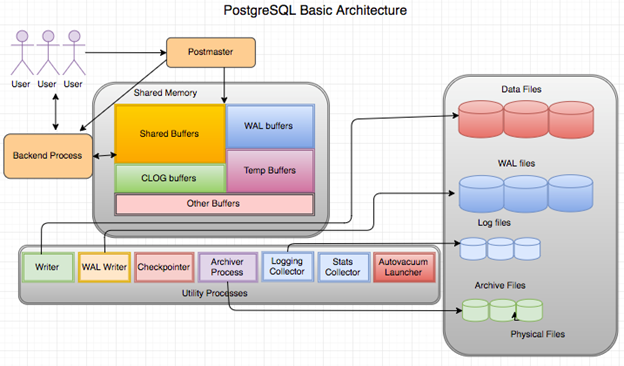
PostgreSQL is designed for complex, long-term systems.
Pros
Strong data integrity
Advanced indexing
Native JSON support
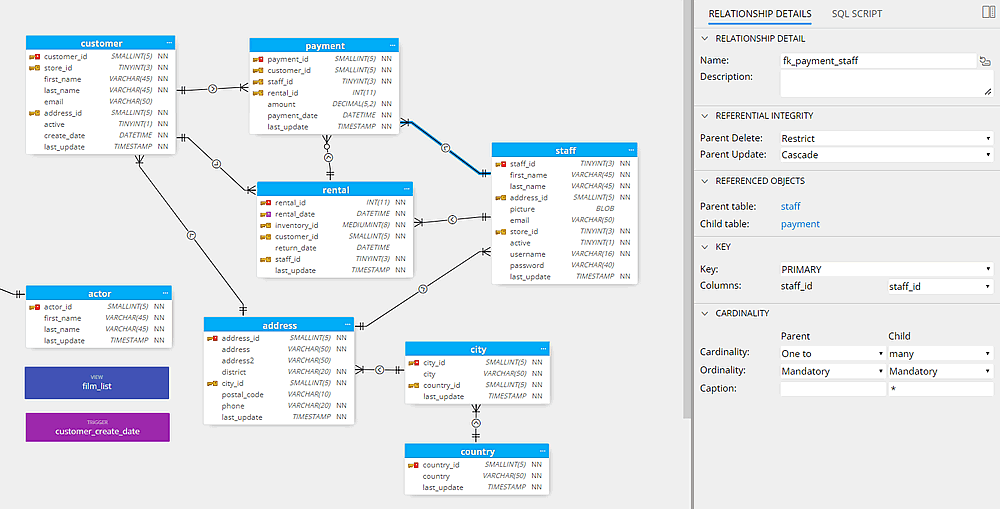
Triggers, partitions, constraints
Predictable behavior under load
Cons
Slightly steeper learning curve
Requires more configuration
Not always available on shared hosting
Use PostgreSQL if
Data correctness matters
You use complex queries
You rely on triggers or partitions
You build serious backend systems
Real-World Perspective
In real projects, developers often use:
Lightweight tools locally for speed
More powerful databases in production
The key is understanding why, not blindly choosing tools.
A senior developer isn’t someone who always uses PostgreSQL — it’s someone who knows when PostgreSQL is necessary.
Final Thoughts
Tools don’t make systems good. Correct decisions do.